
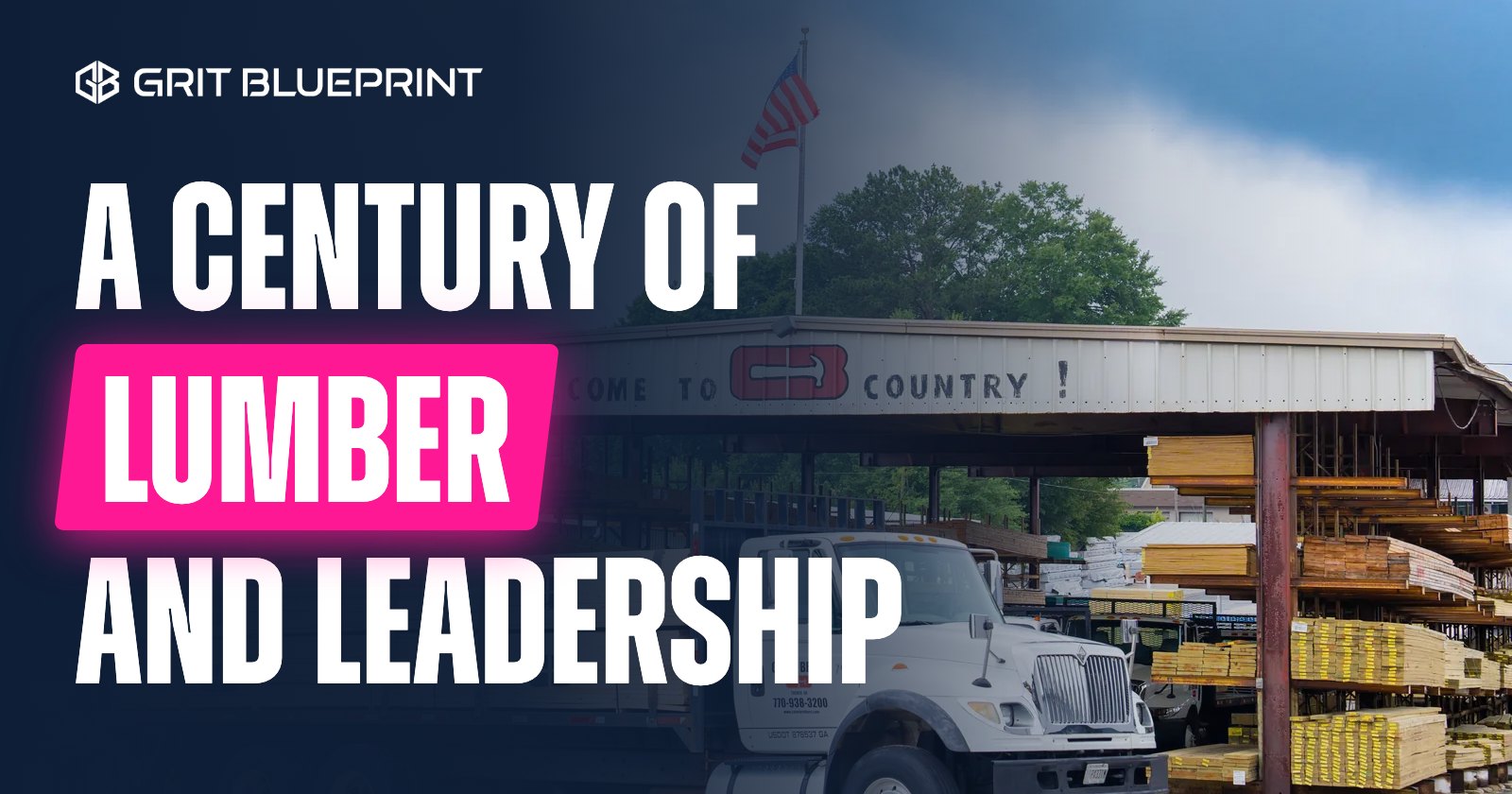
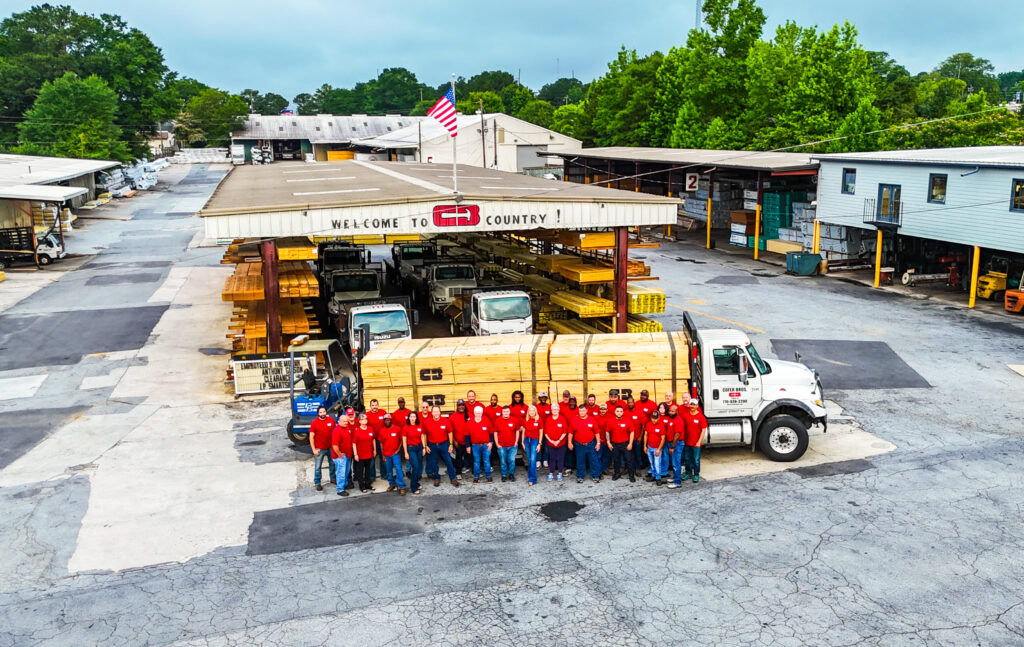
A conversation with Chip Cofer of Cofer Brothers (www.coferbrothers.com (opens in a new tab)).
Cofer Brothers in Tucker, Georgia, has been open since 1919. It has lasted by staying competitive, useful, and human, and by moving when the market moved. Being seen now matters as much as being good, because companies that are not as good as you are winning just by being easier to find and easier to do business with.
Key Takeaways From Cofer Brothers
- Cofer Brothers has been in business since 1919 by staying competitive, useful, and human.
- This is a decades and centuries game. Short term decisions quietly erode long term value.
- Legacy businesses fail when they wait too long to move. Change is rarely what sinks them.
- Over the last year, Grit Blueprint has helped Cofer Brothers modernize how they show up and how they respond, without losing who they are.
- Right now, companies that are not as good as you are winning simply because they are easier to find and easier to do business with.
A Family Lumber Yard Is a Scoreboard
I love a family lumber yard. Always have. I don’t love it for the charm. I love it because it’s a scoreboard.
You can see who knows their stuff in five minutes. You can feel the service. You can tell if the place is built to last.
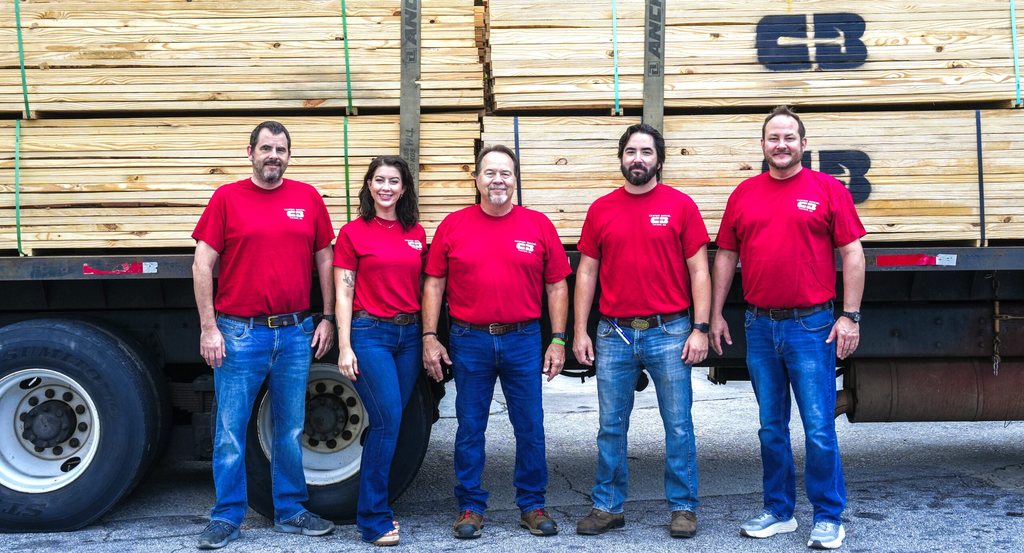
That’s why I wanted to be on site at Cofer Brothers in Tucker, Georgia, with owner Chip Cofer. We talked about the future of the lumber and building industry.
They’ve been open since 1919. Same town. Same grind. Same standard.
And yes, this is Chip’s story. But the reason it matters goes far beyond one company. What Cofer Brothers stands for matters more than ever right now.
For context, I’m Stefanie Couch, founder of Grit Blueprint. I work with legacy businesses in the building materials industry that are great at what they do, but don’t always show up the way they should for the way buyers shop now. That lens matters here.
Why Cofer Brothers Is Still Standing
Cofer Brothers (opens in a new tab) started in 1919 with Chip’s grandfather and great uncle. Back then, it was dry goods, household items, and farm supplies. Then grocery.
After World War II, they leaned into building materials as homebuilding sped up. They grew and opened more stores. Family members ran them. It was a make it or don’t mentality.
Then the market shifted. Northlake Mall was coming. Big retail was changing the rules. Competing head to head would have been a slow bleed.
So they made a clean decision in the 70s. They liquidated the department store side and focused entirely on building materials. That decision is why they’re still here.
Too many businesses keep parts of the business alive out of attachment. Then they act surprised when the numbers stop working.
Cofer Brothers protected the core: builders, remodelers, and homeowners on the east side of Atlanta. That took discipline more than nostalgia.
Leadership You Can Feel
Chip grew up inside the business. He lived two miles away and rode his bike there after school. He worked Saturdays.
He loved the engines. He loved the yard. He rode on trucks and helped unload.
When I asked him what leadership means, he didn’t dress it up. Set the example. He doesn’t ask anyone to do something he hasn’t done or won’t do.
That’s why people stay.
Leadership used to be judged from the inside. Your team knew you. Your customers knew you. That used to be enough, and it isn’t anymore.
The Hard Years Show Who You Really Are
Chip talked about 2009 and 2010. If you were in this industry, you remember those years. Atlanta took a hit.
He said something that stopped me. They have never laid off anyone for slow business. Never.
So he was staring at the worst market in decades, thinking, I’m not going to be the third generation that starts laying people off.
They cut hours. They used furlough days. They tightened everything they could without breaking their people. Chip called it circle the wagons, phase by phase.
Then they shifted. A friend told him about the movie business coming into Atlanta.
Studio supply. Set building. A completely different lane.
Chip didn’t overthink it. They jumped in and started solving problems. Whatever the studios needed, they made it happen fast.
They even wore shirts that said, “No is not an option.” That’s commitment under pressure.
Here’s the real lesson. Reputation gets built when things get uncomfortable, far more than in the good years. And it’s protected by the willingness to move:
- To change direction.
- To step into work you didn’t plan for.
- To go where the business needs you, even when it doesn’t feel familiar.
Change is not the enemy, especially in a legacy, family owned business. Staying rigid is what kills growth. Change is often the thing that protects it.
Trust Still Wins. But Trust Looks Different Now.
This is where many legacy businesses fall behind.
Trust is still the currency. But trust alone is no longer enough. People trust what they can verify.
They want to see:
- Proof you’ve solved this problem before
- Evidence that you understand their world and the outcomes they need or want
- Signals you reduce friction instead of adding it
- Confidence that the outcome they want is realistic
Buyers are trying to reduce risk. Rewarding the best operator comes second.
That’s uncomfortable, because someone who is not as good as you may be showing up better and more consistently. They’re easier to find. They’re more open about what they do. They look like the safer choice.
So they’re getting the call. They’re getting the meeting. They’re getting the job. They win because they’re easier to choose, even when they aren’t better.
The Work We’ve Done With Cofer Brothers
Over the last year, my team at Grit Blueprint has worked alongside Cofer Brothers. You can see the Cofer Brothers work for yourself.
- We helped relaunch their brand.
- We rebuilt their website.
- We brought their social presence back to life.
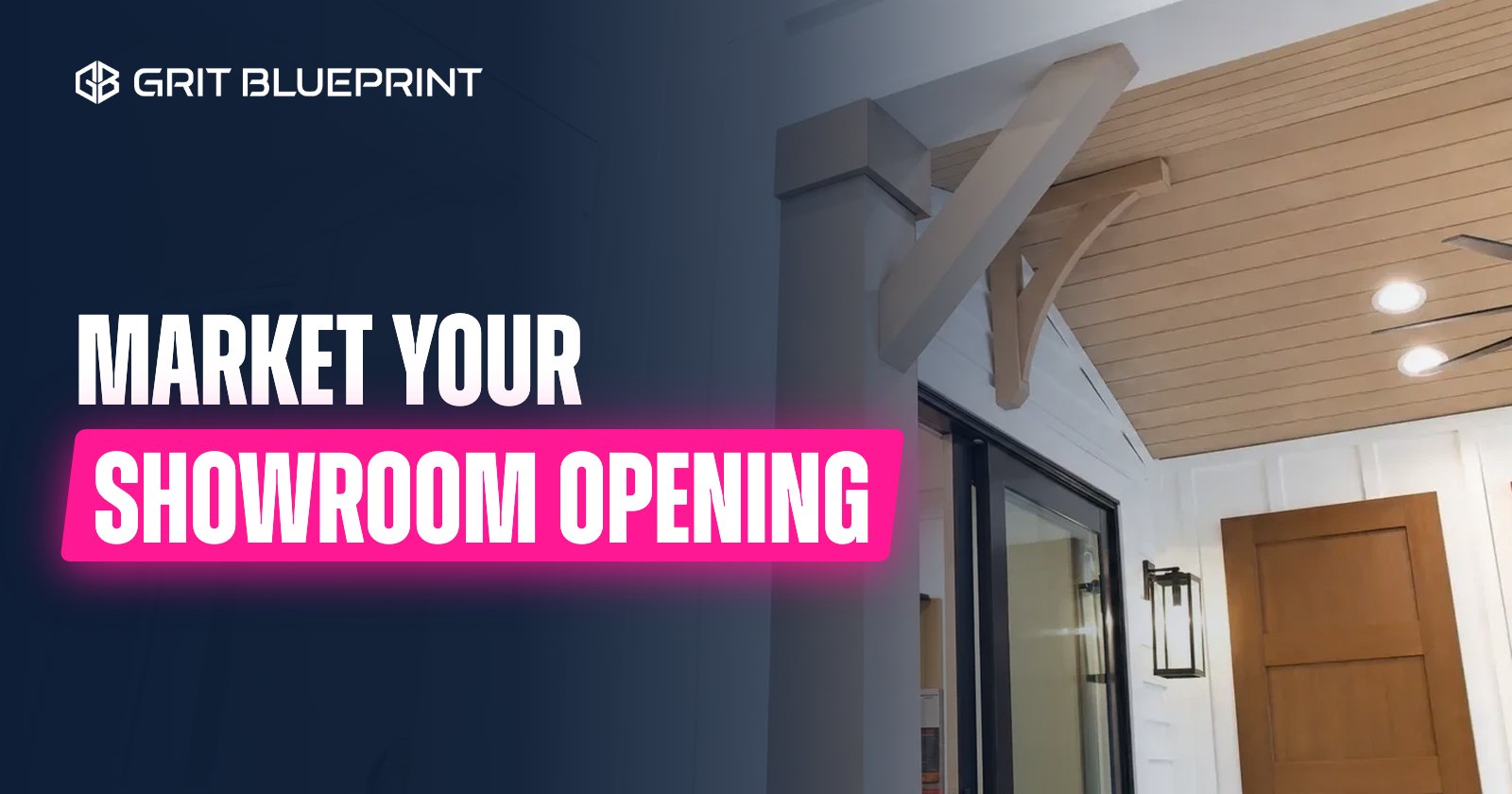
- We helped revamp their luxury showroom.
Just as important, we focused on what happens after someone raises their hand.
- We set up systems to track and manage leads so opportunities don’t slip through the cracks.
- We’re installing a chat experience so questions get answered when the yard is closed.
- We’re adding a voice agent to handle after hours calls, so customers aren’t met with silence.
These tools are there to support people. They don’t replace them.
Trust comes from how you show up. It also comes from how easy you are to work with. Reputation has to travel, and the experience has to live up to it.
A business that’s been here for over a century should feel just as reliable at 8 p.m. as it does at 8 a.m.
That’s what modern visibility does when it’s done right. It keeps who you are and removes friction from the decision.
Indifference Is the Enemy
It does more damage to a legacy business than competition, change, or technology.
Waiting. Shrugging. Assuming things will work themselves out. That’s what kills momentum.
Built to Win Moves You Can Make Right Now
- Treat visibility like a core business system. Don’t leave it for later. If people can’t find you, they can’t choose you.
- Make it obvious how to contact you and get a response. Phone, forms, messages, and after hours. Nobody should have to guess or hit a dead end.
- Put your people and expertise out front. Your team is your advantage. Let customers see who they’re trusting.
- Make your website help people decide. It should answer questions and reduce uncertainty. If it creates confusion, it’s costing you work.
- Show up like you plan to be here for decades. Consistency signals stability. Stability makes buyers feel safe choosing you.
This Is What I Want You to Hear
If you run a lumber yard, a building materials business, or any legacy company, hear this clearly. You cannot rely on reputation alone anymore.
Reputation has to travel. And the experience has to live up to it.
Your buyers still care about service and relationships. But they start online. They verify online. They decide faster.
If you’re great but hard to reach, slow to respond, or easy to overlook, you are giving deals away. They go to the competitor who is easier to do business with, even when that competitor isn’t better.
If that sounds like your yard, see how we help lumberyards and building material dealers get found and chosen.

Want the Full Conversation?
Go watch the full episode on YouTube and listen on the Grit Blueprint Podcast. Chip’s story is worth hearing in his own voice. And if you’ve ever worked with family, the laughs will hit close to home.
Built to Win Newsletter
If this is your world, join the Built to Win Newsletter.
I write for leaders and companies who refuse to be the best kept secret. The kind of people others notice first and remember last. The ones who win on purpose, for the long term.
Questions and Answers
Cofer Brothers started in 1919 with Chip Cofer’s grandfather and great uncle, selling dry goods, farm supplies, and grocery. After World War II they leaned into building materials. In the 70s they liquidated the department store side and focused entirely on building materials. That decision is why they are still here.
Legacy businesses fail when they wait too long to move. Staying rigid kills growth, and indifference does more damage than competition, change, or technology. Waiting, shrugging, and assuming things will work themselves out kills momentum. Change, like Cofer Brothers moving into studio supply for the movie business, often protects the business.
Cofer Brothers has never laid off anyone for slow business. When Atlanta took a hit in 2009 and 2010 they cut hours, used furlough days, and tightened everything they could. Then a friend told Chip about the movie business coming to Atlanta, and they moved into studio supply and set building.
No. Buyers still care about service and relationships, but they start online, verify online, and decide faster. People trust what they can verify. A competitor who is easier to find and easier to do business with can win the call, the meeting, and the job, even when they are not better.
Treat visibility like a core business system. Make it obvious how to contact you and get a response, including after hours. Put your people and expertise out front. Make your website help people decide. Show up like you plan to be here for decades, because consistency signals stability.
Want Help Putting It to Work?
A free call with Stefanie Couch. About 30 minutes.
Not ready to talk? Get the Built to Win Newsletter

Written by Stefanie Couch
Founder of Grit Blueprint and the front-facing voice of the brand. Stefanie helps companies across the building industry turn hard-earned trust into visible proof, useful content, and AI-search-ready authority. Known on stage, on the mic, and for her signature pink hat.